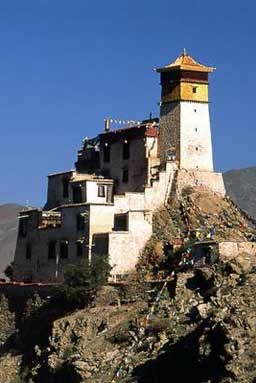
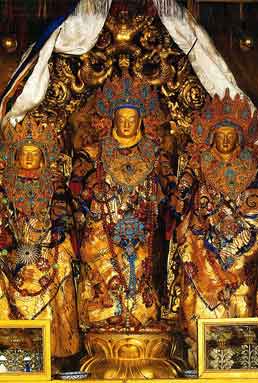
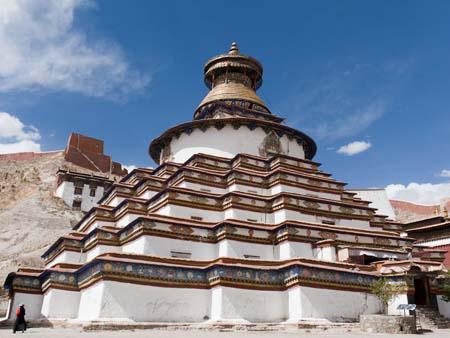
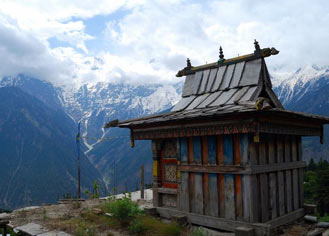
Welcome to Tibet! The Land of Snow, the Roof of the World, and one of the most mystical and awe-inspiring places on Earth. Whether you're a seasoned traveler or a first-timer, Tibet offers a unique adventure that blends spirituality, breathtaking landscapes, and rich cultural heritage. This article will guide you through everything you need to know about traveling to Tibet, including a 9-10 day itinerary covering the most iconic sights, travel tips, and how to get your Tibet Travel Permit (入藏函).
Tibet is a region like no other. Its vast plateaus, snow-capped peaks, and crystal-clear lakes evoke a sense of awe that lingers long after you’ve left. Lhasa, the capital, is home to some of the most famous landmarks in the Buddhist world, including the Potala Palace and Jokhang Temple. Outside the city, the towering presence of Mount Everest and the serene beauty of Namtso Lake await your discovery.
Choosing the best time to visit Tibet is crucial for an enjoyable trip. Tibet’s altitude and climate can be challenging, so it’s important to plan your visit during the right season to maximize your experience.
Spring (April to June): This is one of the best times to visit Tibet, especially if you want to avoid the summer tourist rush. The weather is moderate, and the flowers are in full bloom, creating a stunning backdrop for your travels.
Autumn (September to November): Another excellent time for Tibet travel. The weather is cool but pleasant, and the skies are clear. You’ll be able to catch breathtaking views of the Himalayas and enjoy the tranquility of Tibet without the crowds.
Summer (July to August): While summer is the peak tourist season in Tibet, it’s also the monsoon season, which can bring rain and cloud cover. If you’re not afraid of a little rain, summer is still a good time to visit.
Winter (December to February): While cold, winter in Tibet offers a unique experience. The landscapes are covered in snow, and there are fewer tourists, allowing for a more peaceful and solitary journey. Just make sure you’re prepared for the cold and potential travel delays.
Now that you know when to visit, let's dive into the specifics of your 9-10 day itinerary. This journey will take you through the heart of Tibet, from the bustling streets of Lhasa to the tranquil shores of Namtso Lake and the majestic views of Mount Everest. Here’s a day-by-day breakdown of what you’ll experience.
Your journey begins in Lhasa, the spiritual and cultural heart of Tibet. Lhasa is home to some of Tibet's most iconic sites, including the Potala Palace, Jokhang Temple, Barkhor Street, Sera Monastery, and Drepung Monastery.
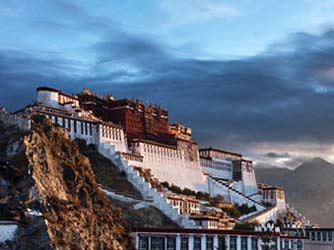
Potala Palace: The Potala Palace is a UNESCO World Heritage site and the former residence of the Dalai Lama. A visit here is a must! It’s an architectural masterpiece with thousands of rooms, chapels, and artifacts. Prepare for some steep climbs, but the panoramic views of Lhasa from the top are absolutely worth it.
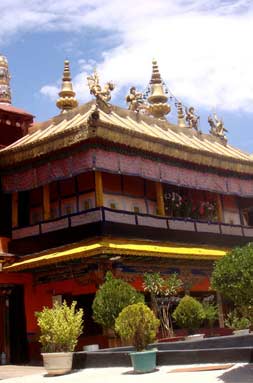
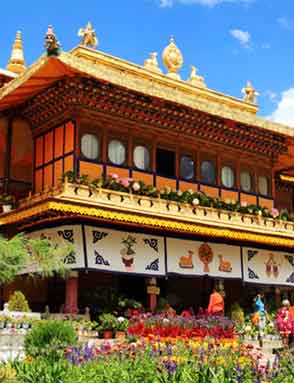
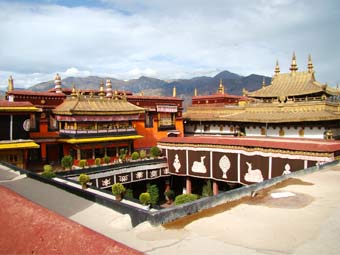
Jokhang Temple: Known as the spiritual center of Tibetan Buddhism, Jokhang Temple is a place of pilgrimage for Tibetans. It’s home to the revered Jowo Shakyamuni Buddha, and the temple’s atmosphere is filled with devotion and serenity.
Barkhor Street: This bustling street is where pilgrims and tourists alike gather to shop for souvenirs, Tibetan jewelry, prayer wheels, and more. It’s a great spot to immerse yourself in the local culture and pick up some unique mementos.
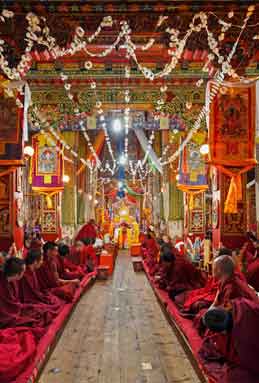
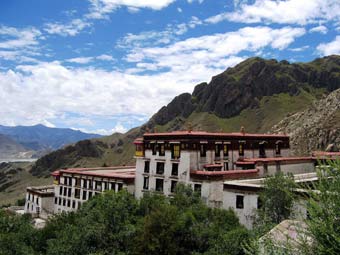
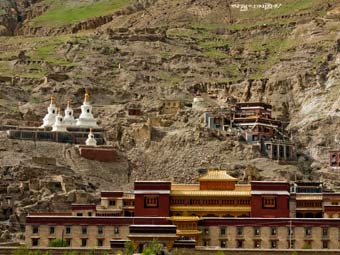
Sera Monastery & Drepung Monastery: Both of these monasteries offer a glimpse into Tibetan monastic life. At Sera Monastery, you can witness the famous monk debates, where scholars engage in lively discussions on Buddhist philosophy. Drepung Monastery, once the largest monastery in Tibet, offers a tranquil setting with beautiful views.
After soaking up the spiritual sights of Lhasa, it’s time to head out to the Yarlung Tsangpo River valley in Nyingchi. This lush, green area contrasts dramatically with the dry landscapes around Lhasa. The Bayi Town area in Nyingchi offers spectacular views of snow-capped mountains and is famous for its vibrant peach blossom season (spring).
Yarlung Tsangpo Grand Canyon: Known as the "Tibet Grand Canyon," this massive gorge is a wonder of nature. It is the deepest canyon in the world, carved by the Yarlung Tsangpo River.
Nyingchi's Peach Blossoms: If you’re traveling in spring, the peach blossoms in Nyingchi are a sight to behold. The landscape is a patchwork of pink and white flowers, set against a backdrop of towering mountains.
A trip to Tibet wouldn’t be complete without seeing Mount Everest, the highest peak in the world. Drive from Shigatse to EBC (Everest Base Camp), and prepare to be awestruck by the towering presence of the Himalayas.
Everest Base Camp: From here, you can stand in the shadow of Everest, watching the world’s tallest mountain tower above you. The views are truly awe-inspiring, and the experience of being so close to the peak is humbling.
Trekking & Photography: If you're up for some trekking, there are various trails around EBC that provide stunning views of Everest and the surrounding landscape. Make sure to pack your camera—this is a once-in-a-lifetime opportunity to capture the grandeur of the Himalayas.
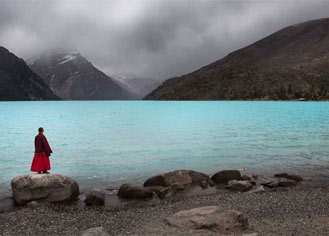
Finally, end your journey with a visit to Namtso Lake, one of Tibet's most sacred lakes and one of the highest saltwater lakes in the world.
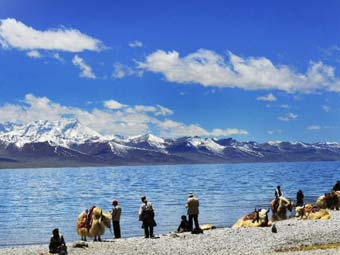
Namtso Lake: The lake is surrounded by snow-capped mountains and offers an almost otherworldly experience. The calm, clear waters reflect the mountains and sky, creating a peaceful and meditative atmosphere.
Trekking & Pilgrimage: Namtso Lake is an important pilgrimage site for Tibetans, and many monks and locals perform kora (ritual circumambulation) around the lake. Take a leisurely walk along the shores, or even complete a full kora if you're up for it.
If you are planning a trip to Tibet in the near future, I would recommend contacting a local Tibet-based travel agency to make arrangements. You can reach out to Lhamo for assistance.
Contact: Lhamo
WeChat: 86 13989099222
WhatsApp: 86 13989989889
E-mail: TibetTravelAgency@gmail.com
She offers one-on-one Tibet tour itinerary planning and provides detailed trip quotations.
As a foreigner, traveling to Tibet requires a bit more preparation than other destinations. Here’s everything you need to know about applying for the Tibet Travel Permit, packing for Tibet, and what to expect during your trip.
Tibet Travel Permit (入藏函): To enter Tibet, foreigners must apply for a Tibet Travel Permit, which is issued by the Tibet Tourism Bureau. The process can take about 10-20 days, so make sure to plan ahead.
Documents Required: Your passport, Chinese visa, and sometimes a detailed itinerary provided by a local travel agency.
Pro Tip: It’s recommended to work with a travel agency that specializes in Tibet tours—they will help facilitate the application process.
High Altitude Tips: As you’ll be traveling at altitudes of over 3,000 meters (9,800 feet), it’s essential to acclimatize gradually to avoid altitude sickness. Drink plenty of water, avoid strenuous activity in the first few days, and be prepared to rest.
Packing Essentials:
Warm clothing (even in summer).
Sun protection (sunblock, hat, sunglasses).
A good camera to capture the stunning landscapes.
A power bank (electricity can be limited in some areas).
If you're unsure about the best time to visit Tibet, you can consult Lhamo. She offers travel services for foreign tourists to Tibet, including assistance with obtaining the Tibet Travel Permit.
Contact Lhamo for inquiries:
WeChat: 86 13989099222
WhatsApp: 86 13989989889
E-mail: TibetTravelAgency@gmail.com
She provides one-on-one itinerary planning and trip quotations for Tibet tours.
Here are some frequently asked questions and practical tips to make your trip to Tibet smoother:
Currency & Payments: The local currency in Tibet is the Chinese Yuan (CNY). Credit cards are not widely accepted outside of Lhasa, so it’s advisable to carry cash.
Transportation: The best way to travel between cities in Tibet is by car or train. The Lhasa to Shigatse train offers a scenic route across the Tibetan plateau.
Health & Safety: Carry a first-aid kit and make sure to take altitude sickness medication, if necessary. Always check with your doctor before traveling.
Tibet is an incredible destination for travelers looking to experience a world unlike any other. From the cultural riches of Lhasa to the serenity of Namtso Lake, there’s something for everyone. Plan your trip carefully, and make sure to give yourself plenty of time to acclimatize. Whether you’re exploring ancient monasteries, trekking to Everest Base Camp, or simply soaking in the beauty of the Tibetan Plateau, you’ll return home with memories that will last a lifetime.
Ready to embark on your Tibet adventure? Reach out to our travel experts and let us help you design a personalized itinerary that’s just right for you!